
Video
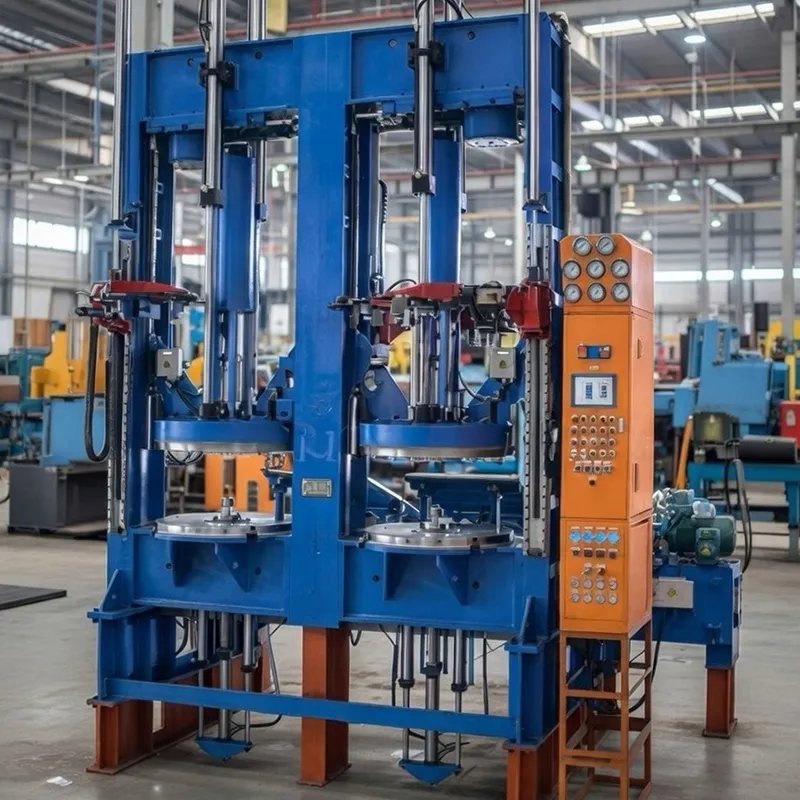
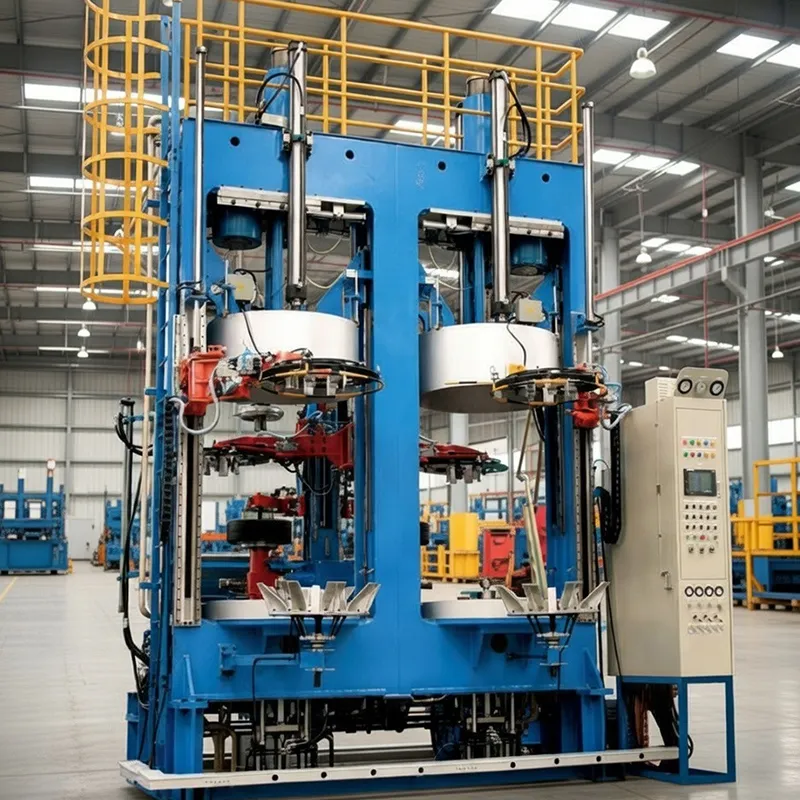
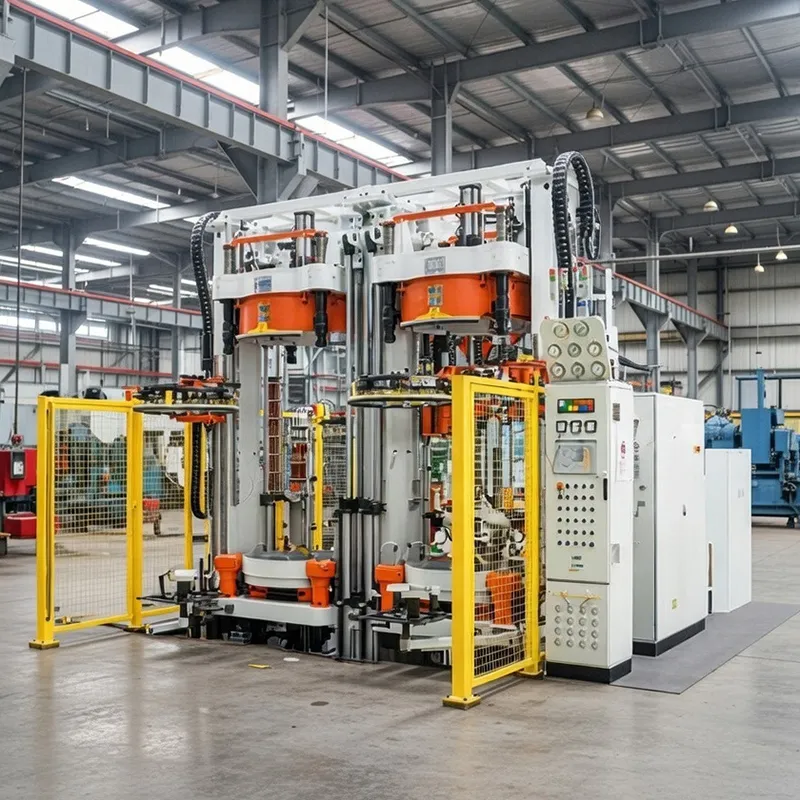
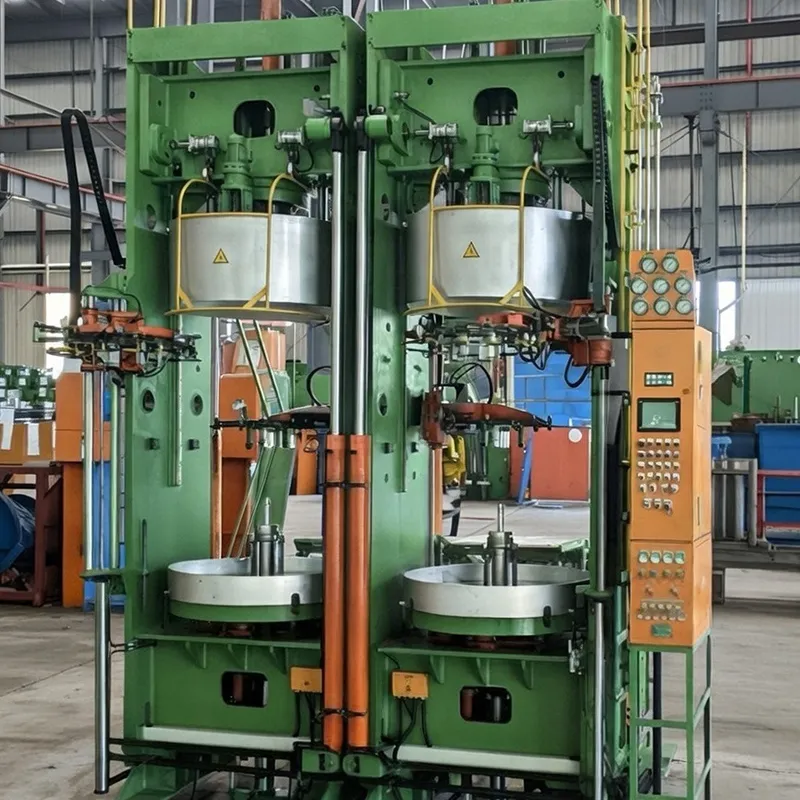
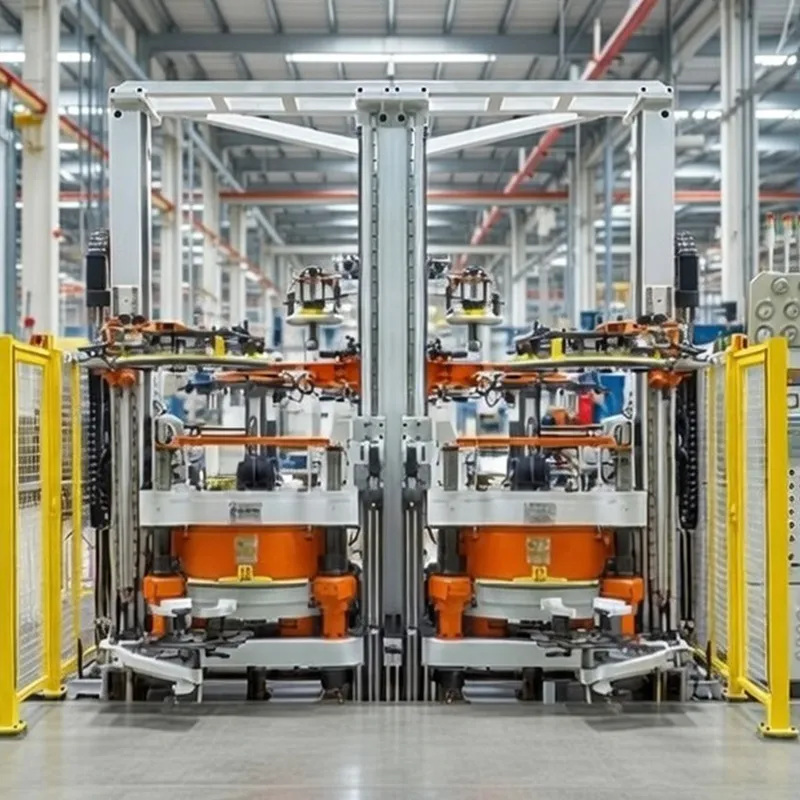
Hydraulic Tyre Curing Press
Passenger Car Radial Tyre Curing Press (PCR Tyre Curing Press)
Passenger car radial tyre curing presses are available in side-plate, frame-type, and four-column hydraulic versions. They support both nitrogen and steam curing processes and are suitable for passenger car, light truck radial, and bias tyres with bead sizes from 12" to 26". Different tyre sizes and specifications can be handled more easily, with more consistent curing results in regular production.
Technical Specifications
| Number of Mould Positions | Dual mould | Dual mould | Dual mould | Dual mould | Dual mould |
| Applicable Mould Type | Two-half mould and segmented mould | Two-half mould and segmented mould | Two-half mould and segmented mould | Two-half mould and segmented mould | Two-half mould and segmented mould |
| Applicable Bead Diameter (inch) | 12"–16" | 12"–17" | 13"–18" or 14"–20" | 15"–22" or 18"–24" | 20"–26" |
| Effective Heating Plate Diameter (mm) | Ø1110 | Ø1160 | Ø1220 | Ø1330 | Ø1400 |
| Max. Clamping Force | 2 × 1400 kN | 2 × 1800 kN | 2 × 1800 kN | 2 × 2350 kN | 2 × 2350 kN |
| Applicable Mould Height Range (mm) | 250–450 | 250–490 | 250–490 | 250–540 | 250–540 |
| Segmented Mould Piston Stroke (mm) | 300 | 300 | 300 | 330 | 330 |
| Max. Green Tyre Height (mm) | 400 | 500 | 500 | 540 | 540 |
| Bead Height (Tyre Width) (mm) | 100–300 | 100–320 | 100–320 | 140–320 | 180–350 |
| Max. Cured Tyre Outside Diameter (mm) | 700 | 800 | 850 / 900 | 900 / 950 | 950 |
Features
- One hydraulic station can drive between one and five curing presses, depending on the production arrangement.
- Pressure and flow control can be configured with proportional control or servo control technology.
- The mould heating is carried out through heating plates, and the press is equipped with a BOM center mechanism.
- Mould opening and closing, as well as tyre loading and unloading, are handled by hydraulically driven units guided by linear rails.
- In the four-column design, the left and right moulds can be controlled separately, which allows different tyre sizes to be cured at the same time.
- PLC control supports parameter setting for the curing process, along with real-time data collection, storage, alarms, and historical record review.
- An Ethernet interface is available for networking multiple curing presses.